

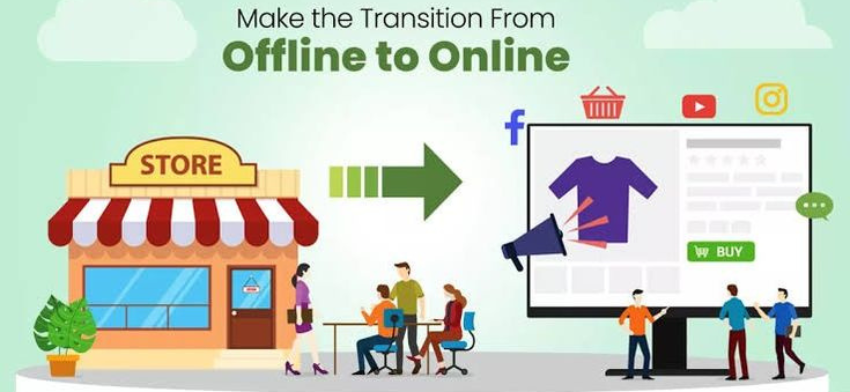
From Offline to Omnichannel: How FMCG Brands Can Win in the Digital Era
The FMCG industry is undergoing a major transformation. For decades, brands relied heavily on distributors, wholesalers, and retail outlets to generate sales. While this traditional model built strong market reach, today’s consumers follow a completely different buying journey.
They discover products on social media, compare prices online, read reviews before purchasing, and expect quick delivery with seamless service.
To remain competitive in 2026 and beyond, FMCG brands must evolve from an offline-only model to a structured omnichannel ecosystem.
The Changing Consumer Landscape
Modern consumers move fluidly between online and offline channels. A customer might see a product on Instagram, search for it on Google, check reviews on a marketplace, and then purchase either online or from a nearby store.
If a brand is not present across these touchpoints, it loses opportunities at every stage of the decision-making process.
Digital presence now influences trust, brand authority, and buying decisions. Even if the final purchase happens in a physical store, the research often happens online.
Building a Strong Digital Foundation
Before expanding into multiple digital channels, FMCG brands must ensure their fundamentals are strong.
- Clear brand positioning
- Attractive packaging
- Professional product photography
- Defined target audience
Consistency in messaging and visual identity across channels creates brand recall and trust.
Launching a Direct-to-Consumer (D2C) Website
A D2C website is the core of any omnichannel strategy. It allows FMCG brands to build direct relationships with customers, collect valuable data, and improve profit margins.
- Mobile-first design
- Fast loading pages
- SEO optimized structure
- Secure payment gateway
- Customer reviews
Loyalty programs, subscription models, and bundled offers can increase repeat purchases.
Leveraging Marketplaces for Rapid Scale
Marketplaces provide access to a ready customer base and established trust.
- Optimized product listings
- High quality product images
- Keyword rich descriptions
- Competitive pricing
- Review management
- Sponsored marketplace ads
When managed strategically, marketplaces complement other sales channels.
Digitizing Distribution Systems
Traditional FMCG distribution often involves manual processes and delayed reporting.
- Real-time order placement
- Stock visibility
- Automated invoicing
- Sales performance tracking
- Field sales route optimization
Digitization strengthens traditional distribution while aligning it with modern growth needs.
Implementing ERP for Centralized Control
An ERP system integrates inventory, procurement, warehouse management, sales reporting, and financial tracking.
With ERP integration, FMCG brands can forecast demand, prevent stockouts, reduce overstocking, and monitor region-wise sales performance.
Integrating Performance Marketing
- Social media ads
- Google search advertising
- Retargeting campaigns
- Influencer collaborations
- Email marketing automation
- WhatsApp marketing campaigns
Performance marketing ensures measurable growth through metrics such as customer acquisition cost, ROAS, and conversion rates.
Delivering a Unified Customer Experience
Customers should encounter consistent pricing, branding, and messaging across retail stores, websites, and marketplaces.
Return policies and customer support must also remain consistent.
Overcoming Common Challenges
Transitioning from offline to omnichannel may present challenges such as:
- Internal resistance
- Pricing inconsistencies
- Technology adoption delays
- Channel conflicts
These can be addressed through phased implementation and strategic planning.
Conclusion
The digital era is reshaping how FMCG brands operate and grow.
Those who combine traditional distribution strength with D2C platforms, marketplaces, mobile apps, ERP systems, and performance marketing will gain a significant competitive advantage.
Omnichannel is not merely a marketing strategy — it is a complete growth ecosystem.
The time to evolve from offline to omnichannel is now.